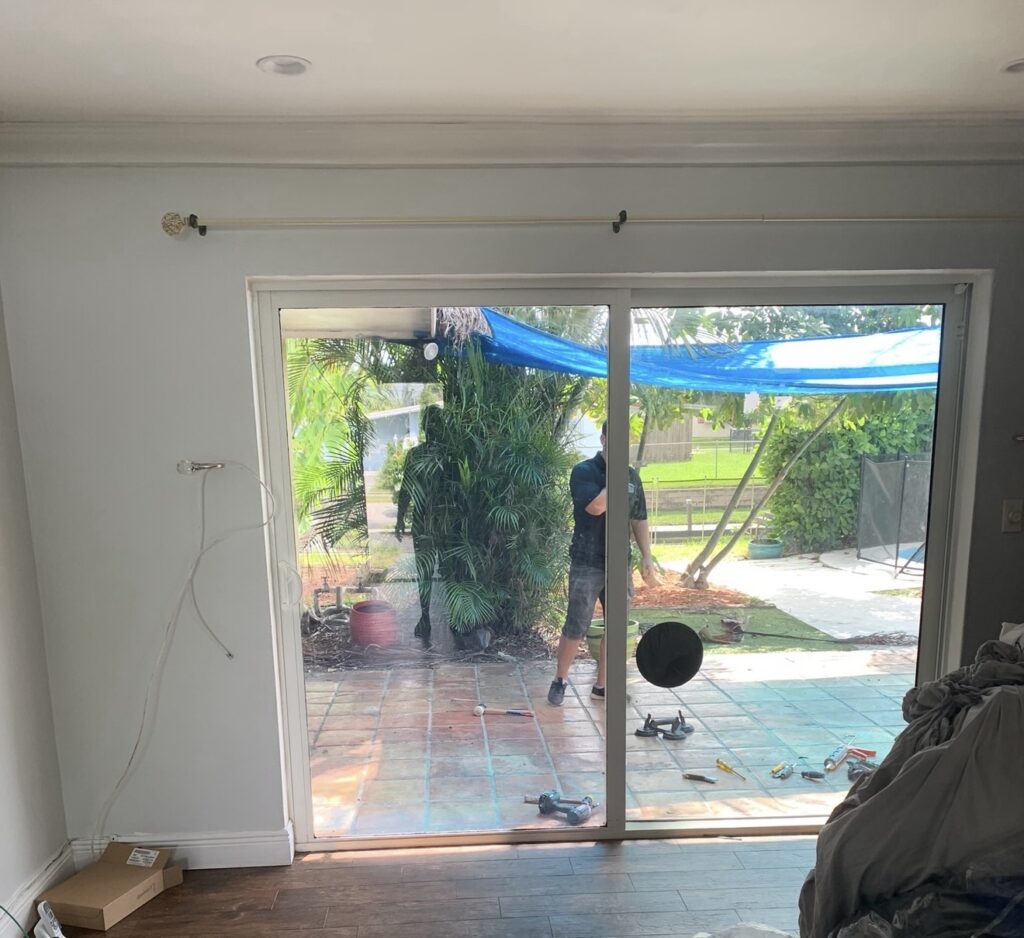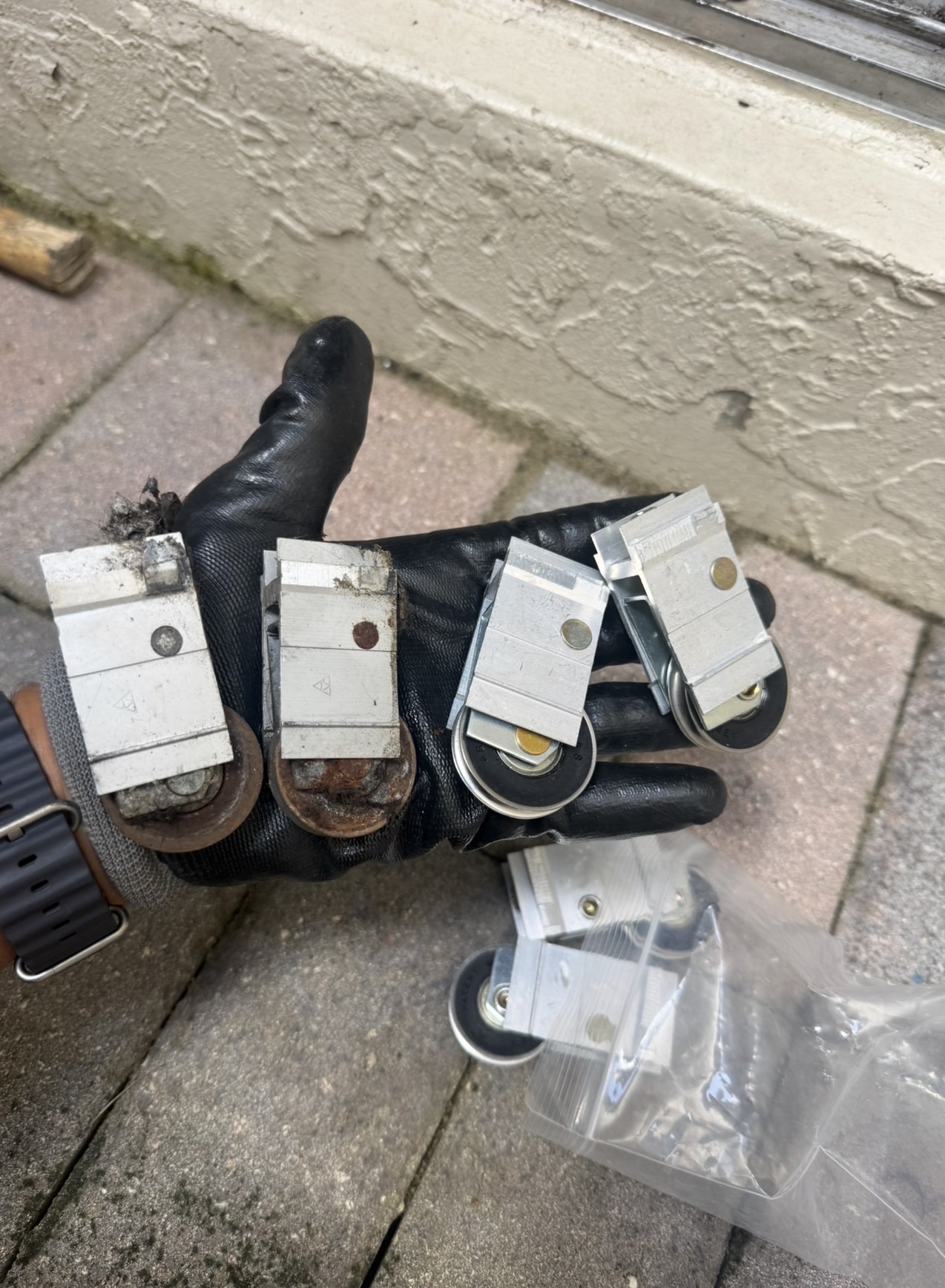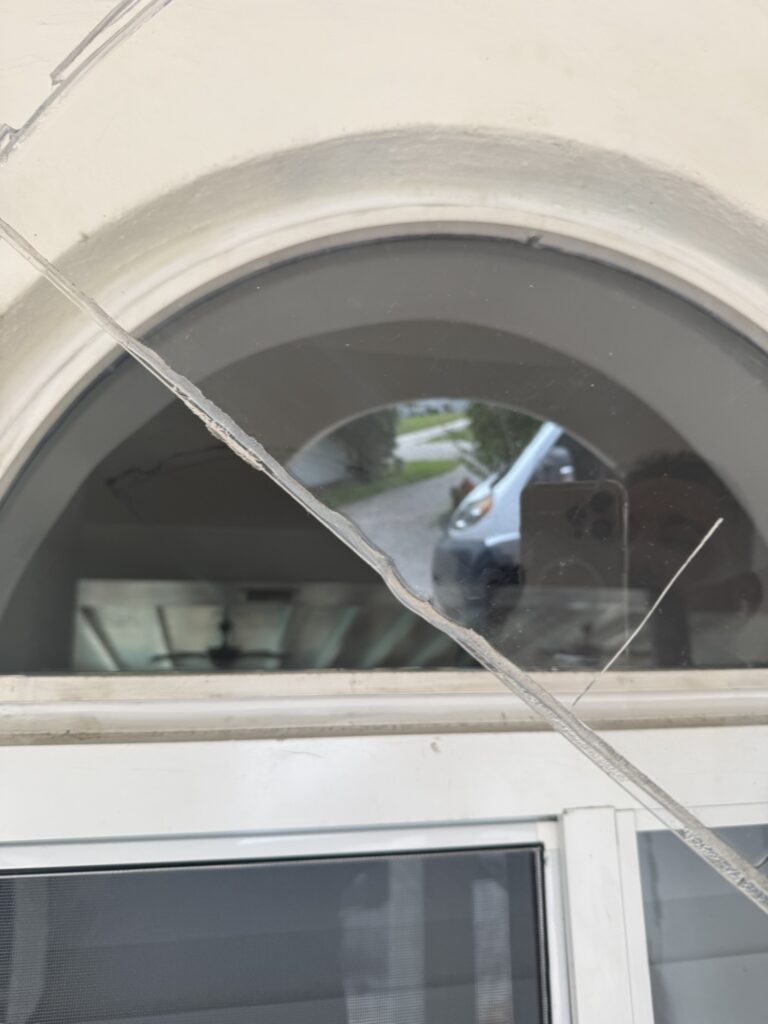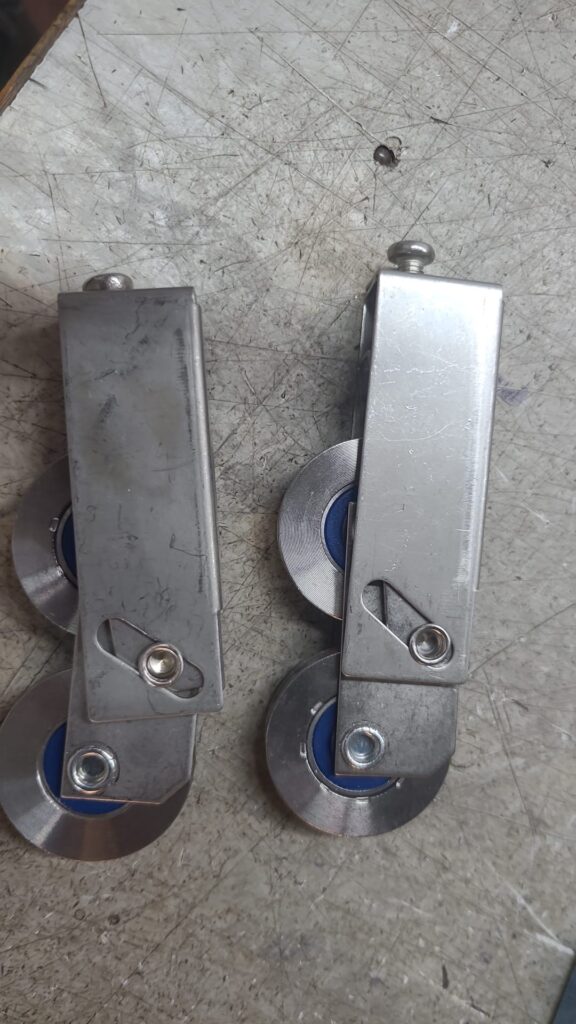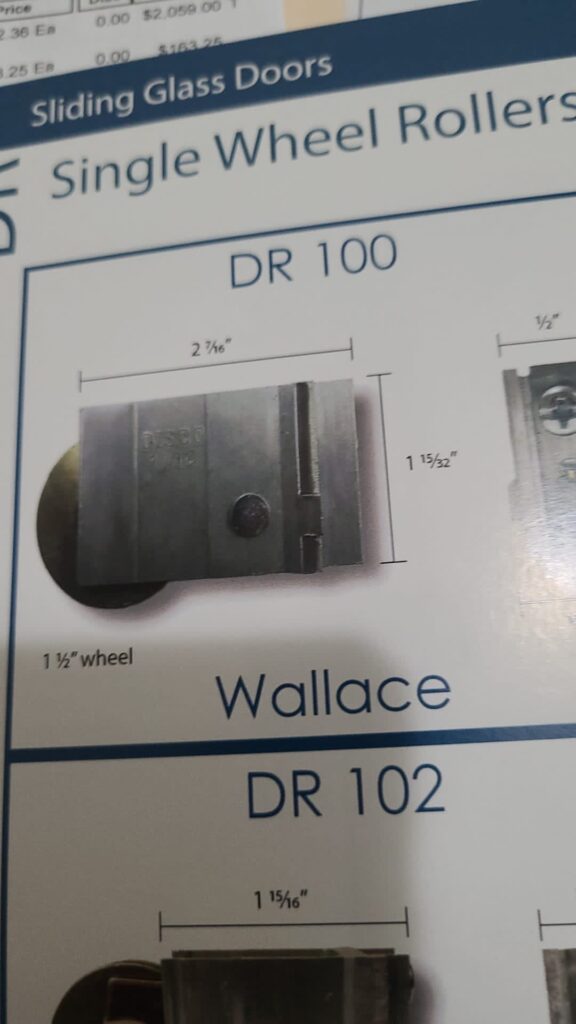
- Sliding glass door roller replacement
- Track repair and track covers
- Lock repair and replacement
- Handle replacement
- Complete door restoration
- Sliding screen door repair
- Water and air leak repairs
- Impact and hurricane-rated sliding door repairs
- Same-day service for most repairs
- 24/7 emergency service availability
- Service address listed as 1323 NW 3rd Street, Deerfield Beach, FL 33442.
Common problems mentioned
- Heavy or hard-to-open doors
- Grinding or scraping noises
- Bent or corroded tracks
- Worn or rusted rollers
- Broken locks and handles
- Doors coming off track
- Water leaks
- Screen door issues
Glass manufacturers and fabricators near Deerfield Beach
If you’re looking for companies that manufacture or fabricate tempered, insulated, laminated, or impact glass, these are some of the better-known options:
- Crawford Tracey Corporation
- Commercial glass fabrication
- Storefronts
- Curtain wall systems
- Custom architectural glass
- Downey Glass
- Impact glass
- Custom glass fabrication
- Commercial and residential glass
- Window and railing systems
- Express Impact Glass Manufacturing Fort Lauderdale
- Hurricane impact glass manufacturing
- Custom laminated and insulated units
- Smart Glass Group
- Smart switchable privacy glass
- Custom architectural glass
- Global Impact Products, LLC
- Impact-resistant glass products
- Hurricane-rated systems
- Glass Works
- Commercial glass fabrication
- Custom glazing
- Crystalia Glass
- Architectural glass
- Shower glass
- Custom fabrication
If your business installs replacement glass for sliding doors and windows, these companies are generally the ones that can fabricate:
- Tempered glass
- Laminated impact glass
- Insulated (thermo) glass units (IGUs)
- Low-E glass
- Tinted and obscure glass
- Custom sizes for sliding doors and windows