Tag: greased_tracks

  • What Is the Best Window Style to Buy in Florida?

    What Is the Best Window Style to Buy in Florida?

    Choosing the right window style for a home in Florida is not just about appearance—it’s about durability, performance, and long-term reliability. Florida’s climate presents unique challenges, including high humidity, intense sun exposure, heavy rain, salt air near coastal areas, and the potential for strong storms. Because of these conditions, not all window styles perform the same over time.

    Before buying new windows, it’s important to understand how different window types operate, how they age, and what kind of maintenance they require. Each style has its advantages and disadvantages, and the best option depends on your location, environment, and expectations for long-term upkeep.

    Below are key things every homeowner should know before choosing a window style in Florida.

    Understanding How Window Styles Behave Over Time

    There are several types of opening windows, and each one behaves differently as it ages. While many windows look good when they’re new, performance over time is what truly matters—especially in a humid, coastal, or high-rain environment like Florida.

    The main difference between window styles is how they open and what mechanical components they rely on. The more moving or mechanical parts a window has, the more likely it is to require maintenance or repairs in the future.

    Let’s break down the most common window styles used in Florida homes and how they perform long term.

    Sliding Windows (Horizontal / Side-to measuring Side)

    Sliding windows operate by moving side to side on rollers, similar to a sliding glass door. These windows are very popular in Florida, and for good reason.

    Why Sliding Windows Are a Strong Choice in Florida

    Sliding windows are generally one of the most reliable window styles available. Because they move horizontally, gravity does not work against them the way it does with vertical windows. There are no springs, balance systems, or tension mechanisms required to hold the window open.

    Instead, the window panel simply rests on rollers and slides along a track.

    Key Benefits of Sliding Windows

    Very few mechanical parts Less stress on the frame and hardware Smooth operation when properly maintained Lower chance of failure over time Easy to repair if rollers wear out

    In Florida’s humid climate, sliding windows tend to last longer with fewer problems. While rollers can eventually wear down or collect debris, they are relatively easy and inexpensive to replace compared to balance systems or crank mechanisms.

    Common Issues (and Why They’re Minor)

    The most common issue with sliding windows is worn or dirty rollers. When this happens, the window may feel heavy or difficult to slide. However, this is usually a straightforward repair and does not require replacing the entire window.

    For homeowners who want low maintenance and long-term reliability, sliding windows are often one of the best choices in Florida.

    Single-Hung and Double-Hung Windows (Up and Down)

    Single-hung and double-hung windows are very common across the United States and are often chosen for their traditional appearance. However, in Florida, these windows tend to require more maintenance over time.

    How These Windows Work

    Single-hung windows: Only the bottom sash moves up and down Double-hung windows: Both the top and bottom sashes move

    These windows rely on balance systems, springs, or counterweights to hold the window open and allow smooth vertical movement.

    Why Florida’s Climate Is Tough on Hung Windows

    Florida’s humidity, moisture, and salty air (especially near coastal areas) can cause balance systems and springs to:

    Rust Weaken Lose tension Fail prematurely

    When this happens, the window may:

    No longer stay open Slide down unexpectedly Become stuck Require force to operate

    This is a very common issue seen in older Florida homes.

    Repair Reality

    While balance systems can be replaced, the cost and labor add up over time—especially if multiple windows are affected. Many homeowners end up repairing the same type of failure repeatedly over the years.

    When Hung Windows Still Make Sense

    Despite their drawbacks, single- and double-hung windows may still be the right choice if:

    You want a traditional look Your home is not exposed to heavy moisture You’re prepared for occasional repairs

    In Florida, these windows are best suited for interior-facing walls or protected areas rather than highly exposed exterior walls.

    Casement Windows (Open Left or Right With a Crank)

    Casement windows open outward using a crank mechanism and hinges on one side. They are often praised for ventilation and tight sealing when closed.

    Advantages of Casement Windows

    Excellent airflow Tight seal against air leaks Easy to open when new Good for narrow or hard-to-reach areas

    The Main Issue: Mechanical Components

    Casement windows rely heavily on:

    Crank operators Gears Hinges

    These mechanical parts are exposed to moisture and humidity. Over time, especially in Florida, they can:

    Rust Strip gears Jam Break completely

    Homes near the ocean or waterways experience this problem more frequently due to salt air exposure.

    Repair Considerations

    When a casement crank fails, the window may not open or close at all. Repairs can be more expensive than roller replacement because the operator assemblies are more complex and sometimes model-specific.

    Best Use for Casement Windows in Florida

    Casement windows are often the best or only option in:

    Tight spaces Areas where reaching a sliding window is difficult Locations requiring full ventilation

    They work well when used strategically, but they may not be ideal as the primary window type throughout the entire home.

    Awning Windows (Open Outward and Upward)

    Awning windows are similar to casement windows but open upward instead of sideways. They also use crank mechanisms and mechanical operators.

    Pros of Awning Windows

    Can be opened during light rain Good airflow Compact design Works well above doors or other windows

    Long-Term Challenges

    Like casement windows, awning windows depend on mechanical parts that are exposed to moisture. Over time, these components may require:

    Lubrication Adjustment Repair or replacement

    In Florida’s climate, this maintenance should be expected rather than avoided.

    Moisture, Humidity, and Coastal Exposure Matter

    One of the biggest mistakes homeowners make is choosing windows based only on looks or trends. In Florida, environmental exposure should be a top priority.

    Factors to consider include:

    Proximity to the ocean Salt air exposure Direct rain exposure Sun intensity Frequency of use

    Windows with fewer mechanical parts generally perform better in harsh environments.

    Impact Resistance and Code Requirements

    In many areas of Florida, especially coastal regions, windows must meet impact-resistant or hurricane code requirements. This can affect which window styles are available or recommended.

    Some window styles may:

    Cost more in impact-rated versions Have limited size options Require professional installation

    Always verify local building codes before making a final decision.

    Maintenance Expectations: Be Realistic

    Every window style requires some level of maintenance, but the amount varies significantly.

    Lowest maintenance: Sliding windows Moderate maintenance: Casement and awning windows Higher maintenance: Single-hung and double-hung windows

    Understanding this upfront helps avoid frustration and unexpected repair costs later.

    Always Consult a Professional Before Choosing

    Before purchasing new windows, it’s strongly recommended to consult a professional. A trained technician or installer can evaluate:

    Opening size Wall structure Accessibility Exposure to moisture Code requirements

    In some situations—especially in tight or hard-to-reach spaces—you may need to use a casement or awning window due to design limitations. A professional assessment ensures the window style chosen will function properly and remain serviceable long term.

    Final Thoughts: What’s the Best Window Style in Florida?

    There is no single “perfect” window for every Florida home. However, for most homeowners:

    Sliding windows offer the best balance of durability, low maintenance, and reliability Casement and awning windows are excellent when used strategically Single-hung and double-hung windows require more upkeep but can still work in protected areas

    The best choice depends on your location, exposure, budget, and long-term maintenance expectations.

    Choosing the right window style from the start can save money, reduce repairs, and improve comfort for many years to come.
  • Glass Manufacturer Tampa Bay

    Here are some glass manufacturers and suppliers in the Tampa Bay area. You can purchase the glass directly from them, and we will handle the installation for you.

    West Coast Glass & Mirrorhttps://westcoastwd.com/

    West Coast Window & Door, Inc. 
    7501 124th Avenue Largo, FL 33773

    Binswanger Glass

    https://glass-replacement-and-repair-services.cmac.ws/binswanger-glass/237/

    6550 W Waters Ave, Tampa, FL, 33602

    Architectural Glass Services

    Tampa Bay Glass Suppliers:

    West Coast Glass & Mirror – Tampa, FL Binswanger Glass – Tampa, FL Architectural Glass Services, Inc. – Tampa, FL Glass Doctor of Tampa Bay – Tampa Bay, FL Custom Glass & Mirror of Tampa Bay – Clearwater, FL Apex Glass & Mirror – St. Petersburg, FL

  • Why Does The Glass Come Out Of The Frame ?

    Why Does The Glass Come Out Of The Frame ?

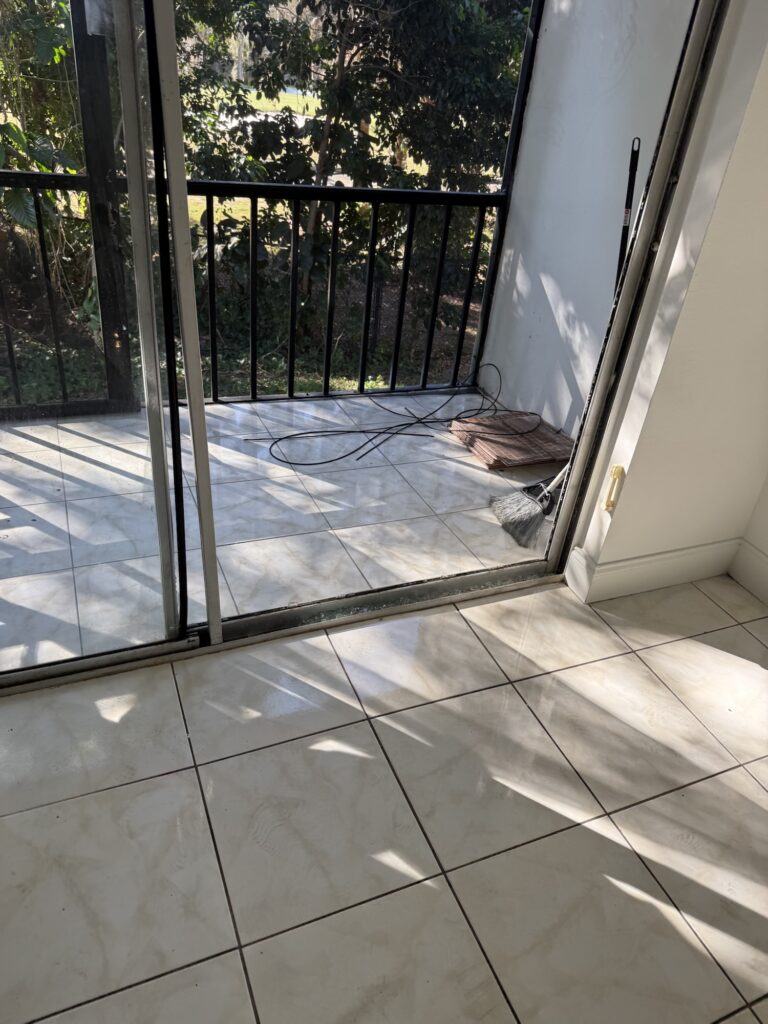
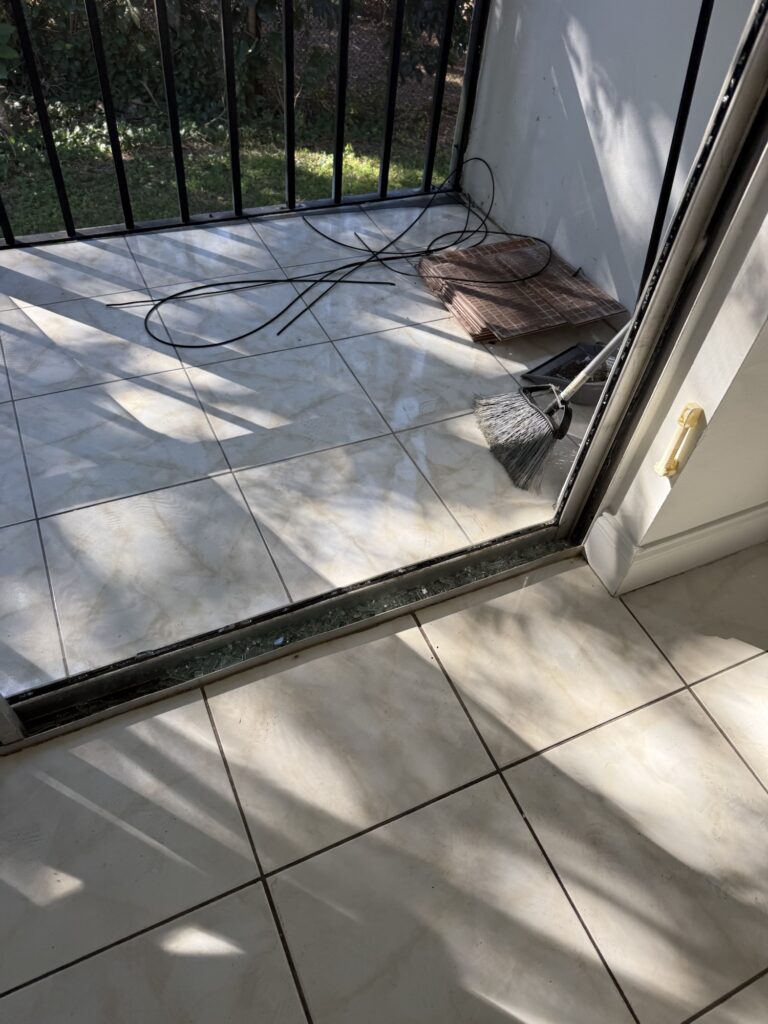
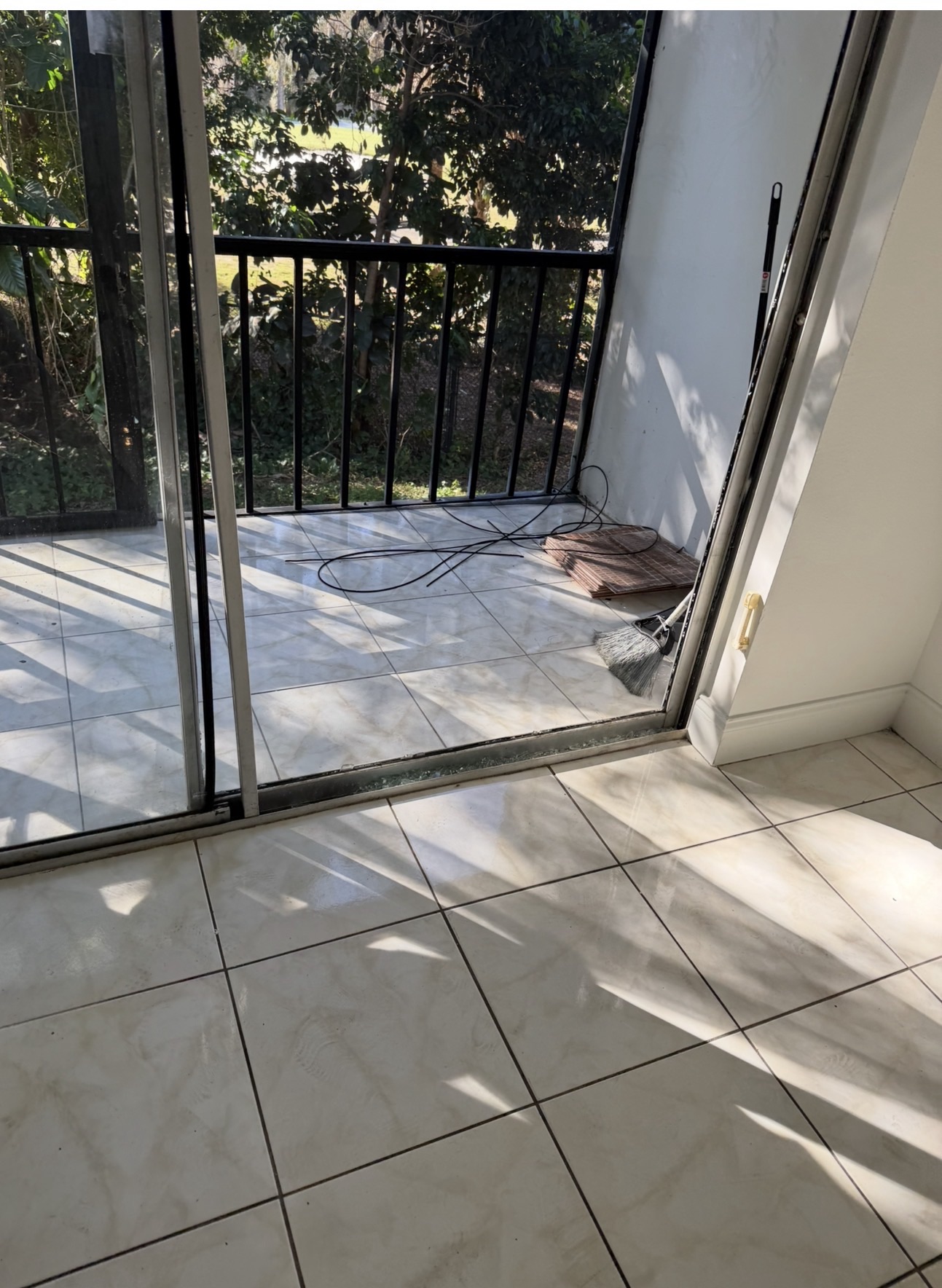
    The main reasons glass comes out of a sliding door frame are:

    Loose screws over time Screws that secure the frame can gradually loosen due to vibration, frequent use, or building movement. Improper reassembly after service This happens often when a technician services the sliding glass door and forgets to reinstall all the screws after reassembling the frame. Greased or dirty tracks causing excess force When the track is greased, it attracts dirt and debris. This increases resistance, and forcing the door open or closed can cause the glass to separate from the frame.

    Polished alternative (more formal tone)

    In many cases, glass comes out of a sliding glass door frame due to loose frame screws over time or improper reassembly after recent service. Another common cause is excessive force applied to the door when the track is greased and contaminated with dirt, which increases resistance and can cause the glass to disengage from the frame.

  • Why is my patio sliding glass door difficult to slide?

    Why is my patio sliding glass door difficult to slide?

    There are many reasons a sliding glass door can become hard to slide, and in most cases the problem gets worse over time if it is not addressed correctly. Homeowners often try quick fixes that seem helpful at first but actually cause more damage in the long run. Understanding the real causes is the first step toward a proper, long-lasting solution.

    One of the most common reasons a sliding glass door becomes difficult to open or close is worn-out rollers. Rollers are the small wheels located at the bottom of the door panel, and they carry the full weight of the glass. Over time, these rollers wear down, crack, rust, or flatten, especially in humid or coastal environments. When the rollers are “shot,” the door no longer glides smoothly on the track. Instead, it drags, sticks, or requires excessive force to move. This is the number one issue seen in older sliding glass doors and even in newer doors that were built with low-quality roller assemblies.

    A common mistake many people make is greasing the track in an attempt to make the door slide more easily. While this may feel like it helps at first, greasing actually makes the problem worse. Grease attracts dirt, sand, dust, and debris, especially in homes near the beach or high-traffic areas. Once dirt mixes with grease, it turns into a sticky residue that builds up on the track and rollers. This buildup increases friction instead of reducing it, causing the door to become even harder to slide over time. In many cases, doors that were once repairable with simple roller replacement end up needing more extensive service because of excessive grease buildup.

    Another frequent issue is debris inside the track. Dirt, sand, pet hair, and small stones collect in the bottom track and interfere with the rollers’ ability to roll properly. Even high-quality rollers cannot function correctly if the track is clogged. When debris is ignored, the rollers are forced to ride unevenly, which accelerates wear and can cause them to break prematurely. Regular cleaning of the track with a vacuum and mild cleaner is essential, but cleaning alone will not fix worn or damaged rollers.

    In some situations, the sliding door may have come off track slightly. This can happen due to improper installation, settling of the home, or worn rollers that no longer hold the door at the correct height. When a door is off track, it may drag against the frame or scrape the floor, creating resistance when opening or closing. This dragging can damage the track, the frame, and even the flooring beneath the door. Left unaddressed, this issue can turn a simple adjustment into a costly repair.

    Another important factor is the weight of the glass. Many sliding glass doors, especially impact-rated or double-pane doors, are extremely heavy. In some cases, the original door supplier installs standard or low-grade rollers that are not designed to support the long-term weight of the glass. Over time, these default rollers fail under the load, even if the door is relatively new. Heavier doors require high-capacity rollers, often with stainless steel housings and ball bearings designed to handle the extra weight. Using the wrong type of roller will result in repeated failures and ongoing sliding issues.

    Environmental conditions also play a major role. In humid climates, moisture can cause metal components to rust and corrode. Salt air near coastal areas accelerates this process even further. Rusted rollers do not roll smoothly, and corrosion can cause them to seize completely. Additionally, aluminum tracks can develop grooves or dents from years of friction caused by damaged rollers. Once the track itself is worn, even new rollers may not perform correctly unless the track is repaired or replaced.

    Improper adjustments are another overlooked cause. Sliding glass doors are designed with height adjustment screws that allow the door to be raised or lowered slightly. If these adjustments are incorrect, too much weight may be placed on one roller instead of being evenly distributed. This imbalance leads to uneven wear and poor performance. Proper alignment ensures the door glides smoothly and prevents unnecessary stress on the hardware.

    It is also important to understand that sliding glass doors are not maintenance-free. Over time, components naturally wear out, just like brakes on a car. Ignoring early warning signs, such as resistance, noise, or uneven movement, often leads to more severe damage. Many homeowners wait until the door becomes nearly impossible to move, at which point repairs are more complicated and expensive.

    In summary, a sliding glass door can be hard to slide for many reasons, but the most common causes include worn rollers, improper greasing, debris buildup, doors coming off track, and glass that is too heavy for the original rollers. While temporary fixes may seem appealing, they often make the situation worse. The correct solution usually involves proper inspection, correct roller selection, precise adjustment, and clean, well-maintained tracks. Addressing the root cause early ensures smooth operation, extends the life of the door, and prevents unnecessary damage in the future.

    How much does it cost to fix a patio sliding glass door in South Florida?

    It really depends on whether you hire a local company or a nationwide company, and this can make a significant difference in cost.

    When you hire a local company, it is often family-owned and operated. Local businesses usually have lower overhead and focus on long-term customer relationships, which often results in more fair and transparent pricing.

    In contrast, large nationwide companies typically operate very differently. Their technicians often work on commission, which means the final price is usually much higher. In some cases, the cost can be two to three times more than what a local company would charge.

    For example, if a repair costs $250 with a local company, the same repair could cost $750 when performed by a nationwide service provider.

    Why is my sliding glass door making noise when I open it?

    The rollers may be loose or detached from their base, causing movement and noise when the door slides. The aluminum door frame may be rubbing against another aluminum surface, and there is no plastic guide or insert to keep the metal parts separated. The track may be loose or misaligned, which can create vibration and grinding noises during operation.

  • Window Repair In Pembroke Pines

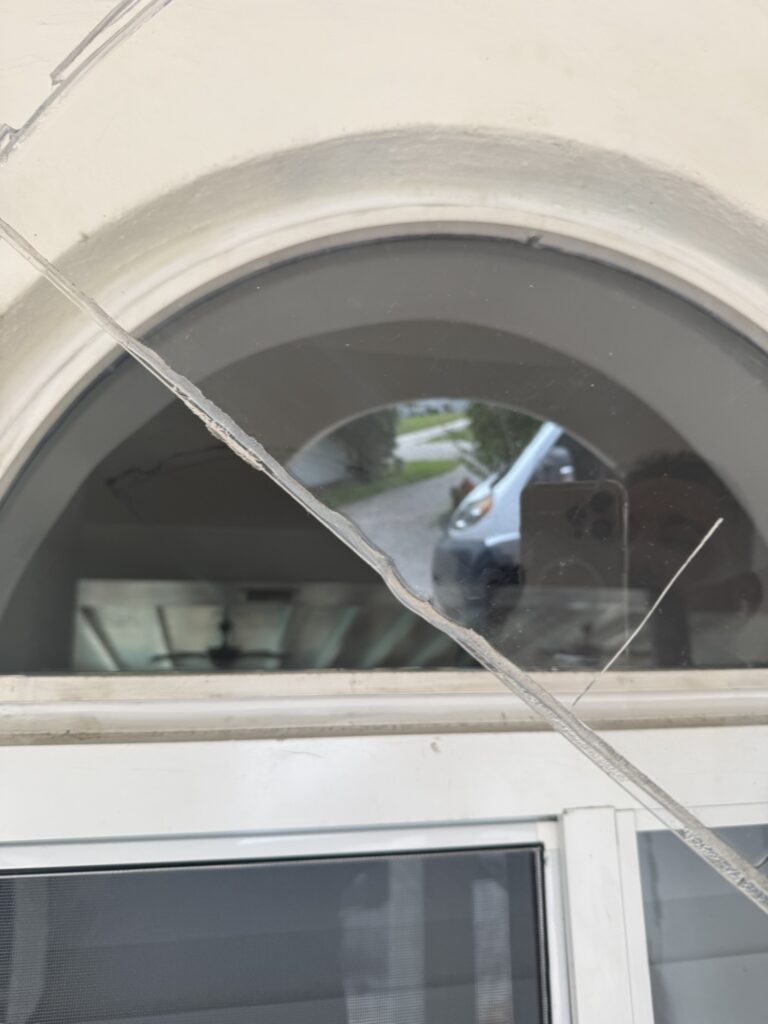
    Half Circle Window

    A half-circle window is not cut with a regular knife. It is mainly a special-order item.

    You can always install temporary plexiglass and use different cutting methods as a short-term solution.

    In Pembroke Pines, Florida, there is no factory that fabricates this type of window on demand, but you can find local suppliers that sell plexiglass to use temporarily while you wait for the permanent window to be ordered and fabricated.

    https://sliding-glass-door-repair.com/pembroke-pines/window-repair

    Also here is a local plexiglass source: http://pembrokepines.businesslistus.com/specific/Polymethyl-methacrylate-resins,-plexiglass.htm

    http://pembrokepines.businesslistus.com/specific/Polymethyl-methacrylate-resins,-plexiglass.htm